- 0
- 1,031 word
How to Master Your Milk Frothing Pitcher: 5 Essential Tips
Have you ever wondered why your homemade cappuccinos and lattes don’t quite match the creamy perfection of your favorite coffee shop? The secret might be in how you’re using your milk frothing pitcher. This essential barista tool is often misunderstood and underutilized in home kitchens. With the right milk frothing pitcher techniques, you can elevate your coffee game and create café-quality drinks without leaving your kitchen.
Why You Need a Quality Milk Frothing Pitcher
Creating perfect microfoam isn’t just about having a good milk frother – the pitcher you use plays a crucial role too. A high-quality milk frothing pitcher gives you better temperature control, more consistent results, and the ability to create latte art that will impress your friends and family.
Many coffee enthusiasts focus solely on beans and brewing methods, overlooking how important proper milk frothing is to the final result. Just like you wouldn’t [chop vegetables with a dull knife], you shouldn’t settle for a subpar milk frothing pitcher when it’s such an essential component of your coffee ritual.
Understanding Your Milk Frothing Pitcher
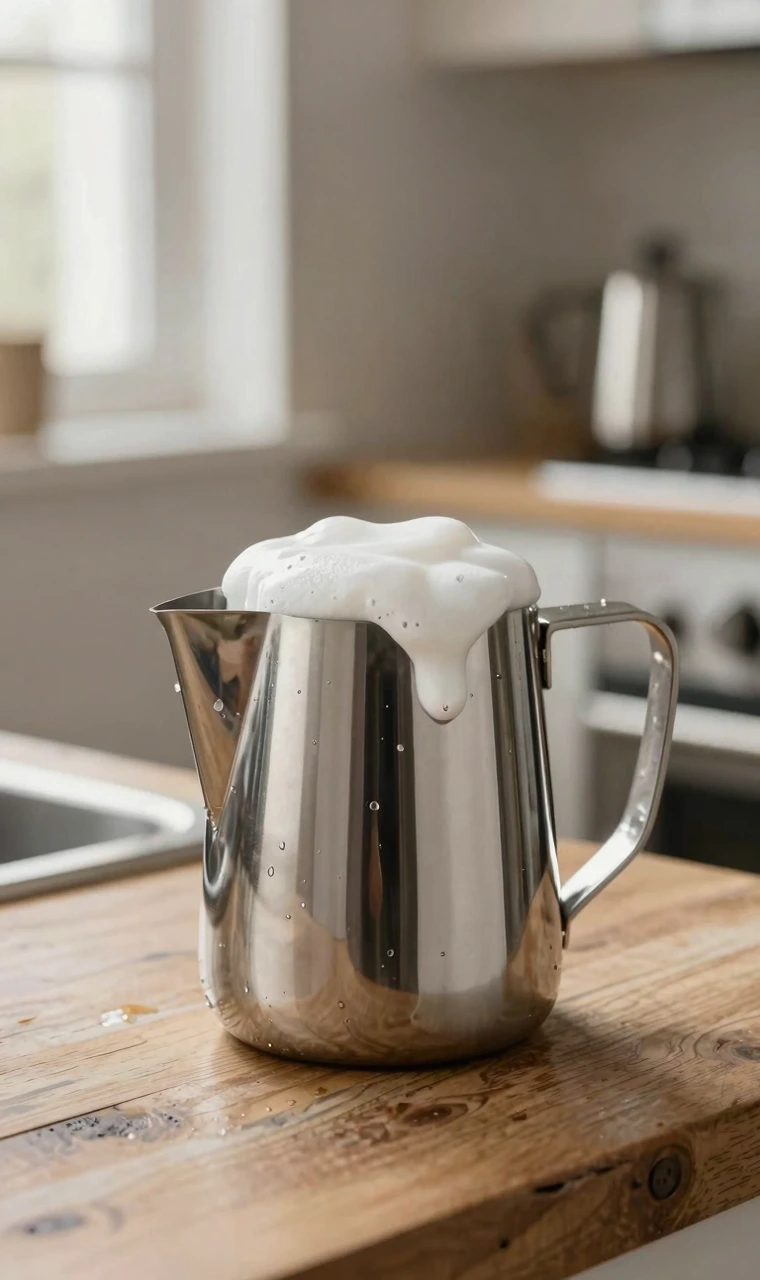
A milk frothing pitcher (also called a steaming pitcher or milk jug) is designed specifically for heating and texturing milk for espresso-based drinks. The best pitchers are constructed from stainless steel, feature a spout for precise pouring, and have proportions that facilitate proper milk circulation during steaming.
Key Features to Look For
– Material: Stainless steel provides excellent heat conductivity and durability
– Capacity: Common sizes range from 12-20oz (350-600ml)
– Spout Design: Narrow, well-formed spouts allow for precise pouring and latte art
– Handle Construction: Should remain cool and offer a comfortable grip
– Temperature Indicators: Some models feature built-in thermometers
How to Use Your Milk Frothing Pitcher Effectively
Mastering your milk frothing pitcher takes practice, but these essential tips will help you achieve barista-quality results:
1. Fill appropriately: Never fill your pitcher more than halfway, as milk expands significantly during steaming
2. Temperature matters: Start with cold milk directly from the refrigerator
3. Position the steam wand: Place it just below the surface at a slight angle
4. Create the vortex: Find the sweet spot where milk circulates smoothly
5. Monitor temperature: Stop at 140-150°F (60-65°C) for optimal sweetness and texture
The most common mistake is overheating the milk, which destroys its natural sweetness. Using your pitcher correctly preserves those subtle flavors that make the difference between an average and an exceptional coffee drink.
Pros and Cons of Different Milk Frothing Pitchers
Not all milk frothing pitchers are created equal. Here’s a breakdown of what to consider:
Pros of Premium Pitchers:
– More precise temperature control
– Better balance and weight distribution
– Higher quality spouts for precise pouring
– More durable construction
Cons to Be Aware Of:
– Higher price point for premium models
– Smaller pitchers require more frequent refills
– Some designs prioritize aesthetics over functionality
– Specialty pitchers may not be dishwasher safe
Best Use Cases for Milk Frothing Pitchers
A quality milk frothing pitcher is essential for:
– Creating café-quality cappuccinos and lattes
– Practicing and perfecting latte art
– Making hot chocolate with perfectly textured milk
– Measuring exact amounts of milk for consistency
– Adding a professional touch to your home coffee station
Whether you’re a casual coffee drinker or an aspiring home barista, the right pitcher will dramatically improve your results. Even if you’ve been making coffee for years, the improvement in milk texture can be surprising.
Pricing & Value Considerations
Milk frothing pitchers range from budget-friendly options around $10 to premium models that can cost $30-50. The good news is that even mid-range options around $15-20 offer excellent performance for home use.
When considering value, think about frequency of use, durability, and the importance of precision in your coffee routine. If you make milk-based coffee drinks daily, investing in a higher-quality milk frothing pitcher will pay dividends in enjoyment over time.
For most home users, a 12-20oz stainless steel pitcher with a comfortable handle and well-designed spout provides the best balance of performance and value. This is one kitchen gadget where you don’t need to spend a fortune to get professional results.
Comparing Milk Frothing Pitchers to Other Gadgets
While electric frothers and automatic machines offer convenience, they can’t match the precision and control of a traditional milk frothing pitcher paired with a steam wand. Using a proper milk frothing pitcher requires more skill, but gives you significantly more control over milk texture and temperature.
Unlike many kitchen gadgets that eventually collect dust, a quality milk frothing pitcher [remains useful indefinitely], especially if you appreciate coffee. It’s a simple tool that delivers remarkable results in the right hands.
Conclusion
Mastering your milk frothing pitcher is a skill that transforms ordinary coffee into extraordinary coffee. With the right technique and a quality pitcher, you’ll create silky, velvety microfoam that elevates every cappuccino and latte to café quality.
Don’t let subpar equipment limit your coffee potential. Invest in a proper milk frothing pitcher today and taste the difference tomorrow morning.
FAQs About Milk Frothing Pitchers
Q: Can I use any metal container instead of a milk frothing pitcher?
A: While possible, dedicated milk frothing pitchers are designed with specific proportions, spouts, and handles that significantly improve results and ease of use.
Q: How do I clean my milk frothing pitcher?
A: Rinse immediately after use with hot water and wipe dry. Deep clean with mild detergent as needed, avoiding abrasive cleaners that can scratch stainless steel.
Q: Which size milk frothing pitcher should I buy?
A: For home use, a 12oz (350ml) pitcher is ideal for 1-2 drinks, while 20oz (600ml) works better for serving multiple people.
Q: Can I froth non-dairy milks in the same pitcher?
A: Yes, though alternative milks respond differently to steaming. Oat and soy tend to be the easiest non-dairy options to texture successfully.
Q: How long does a quality milk frothing pitcher last?
A: With proper care, a good stainless steel milk frothing pitcher can last for decades, making it an excellent investment for coffee lovers.
Author

sif.lkhawa1@gmail.com
Related posts
Best way to grow sliced avocado: 5 easy tips
- 0
- 1,020 word
Best Way to Grow Sliced Avocado: 5 Easy Tips Are you tired of your sliced avocado turning brown before you can enjoy...
Read out all
How to grow foam fun with a milk frother for cold foam 2026
- 0
- 1,072 word
How to Grow Foam Fun with a Milk Frother for Cold Foam Have you ever wondered how coffee shops create that perfect,...
Read out all
how to use a vegetable chopper 2026
- 0
- 1,022 word
Best Way to Grow Vegetable Chopper: 5 Essential Tips Are you tired of spending endless hours chopping vegetables for your meals? A...
Read out all
which knife is best for chopping vegetables 2026
- 0
- 1,113 word
Best Way to Grow with a Vegetable Chopper 2026: 5 Essential Tips chopping vegetables 2026 are you tired of spending hours chopping...
Read out all